


My Medical Injury Case Documentation:
Possible Malpractice, Medication Harm, and Diagnostic Failure
Article written 3/16/2026 by Justin L Scharton
This article documents what happened to me based on my medical records after a prolonged seizure and treatment with the seizure medication levetiracetam (Keppra). After going back through the records and digging through the medical literature myself, I found multiple issues that look like medication injury, diagnostic failures, and possible malpractice.
To make this easier for others to review, I included the relevant parts of my medical records with identifying information redacted, along with the research that helps explain what was happening physiologically. The goal is to lay out the evidence clearly so doctors, attorneys, or anyone else looking at this can decide for themselves whether this represents systemic medical failure, pharmaceutical injury, or both.
The issues described here include a prolonged seizure event, a nine-week delay just to see a neurologist, long term low phosphate problems, cardiac symptoms that were never fully investigated, and repeated attempts to label obvious physiological symptoms as psychological. All of this happened while I was receiving care through Medi-Cal inside a large integrated healthcare system.
Note: This article documents events that may involve medical malpractice and medication injury. If this matter is resolved through a legal settlement, the terms of that agreement may require this page to be removed. The cannabinoid pharmacology discussed near the end of this article will also be published separately in the cardiology section of this website.
Based on a review of the medical records and supporting research, the following issues are examined in this documentation:
-
Case Background: Early Seizures and Health Changes (2013–2019)
-
Possible Medical Malpractice #1: First Neurology Appointment
-
Possible Medical Malpractice #3: Medical Geneticist Appointment
-
Possible Medical Malpractice #4: Second Neurology Appointment
-
Attempting to treat my heart and seizure problems with cannabinoids and terpenes
Here is my YouTube video about this. There is a little more information on this webpage than the video. (Because I kept thinking of more things after the video was made!)
Case Background: Early Seizures and Health Changes (2013–2019)
After my heart was damaged by the seizure medication Keppra, and after what appears to be at least eight separate instances of malpractice, negligence, and misdiagnosis in my medical records, I got tired of being injured by the medical system. So I requested whatever medical records I could get. I was able to get all the ones that lawyers might like to see. What I found is such insanity of how tax payer money is wasted on some of the worst healthcare you can get with Medi-CAL.
I will give a short backstory starting when my seizures got so bad, I had a 5 minute long one right in front of my kids' elementary school when I was dropping them off one morning in 2013. Five minutes is a long time for a seizure, and messed me up for a couple of years after that. I was having some minor problems since I was a kid, and they just kept getting worse until I had that 5 minute long one.
That police officer at the school dragged me out of the car, and I was told by people later that witnessed it that he actually handcuffed me on the ground while seizing. I have no memory of that, I remember pulling up to the front of the school then waking up in the hospital with a nasty headache.
I had 2 shoulder surgeries (bilateral acromioplasty) and a neck injury after that police dragged me out of the car, but I don’t know what he injured or not back in 2013. So I started on the medical cannabis for seizure control, which helped a lot, until I went vegan.
I don't have access to my shoulder surgery records, but do have my old C-spine MRI:

My daughter started veganism first, then I got sucked into that world of bad ideas. I did a whole research article on this website about the dangers of being a vegan.
Spoiler Alert, I was deficient in vitamin B6 and B12, as well as DHA. My daughter was having seizures around age 17 from veganism, her neurologist called it convulsive syncope.
I was a better vegan at that time, she cheated by eating some sushi and salmon sometimes. Me on my plant based high horse looked down on animal products back then. I know, stupid huh?
My seizures were getting worse all throughout 2019, until it sent me back to the hospital. This shows that I had an atypical seizure at the hospital lasting a few minutes. I woke up with an oxygen mask on that I was trying to take off, saying I can't breathe. That's when I found out I stop breathing, or don’t breathe much when I have seizures. They put me on Keppra and sent me on my way.
Here is the medical record for 5 minute long seizure from 2013 and the new onset seizures from 2019:


3 days went by, then my legs stopped working intermittently and I was stuttering. Moving my right arm and leg was difficult, so I went back to the hospital. They did a brain MRI showing that the radiologist noted these changes can appear with microvascular injury, chronic migraines, or demyelination.

This change in my brain MRI and the ataxia looks like a possible B12 deficiency, but nobody ever tested my vitamin levels, like ever.
Here are what some journals say about B12 and ataxia
-
Vitamin B12 deficiency can cause neurological dysfunction including cerebellar ataxia. In one reported case involving a 7-year-old child, treatment with vitamin B12 injections resulted in near complete recovery after about two months of B12 replacement. (Crawford 2013)
-
Vitamin B12 deficiency is well known to cause neurological complications including ataxia, cognitive impairment, and peripheral neuropathy. In one reported case, a 52-year-old vegetarian male with severe B12 deficiency developed progressive cognitive decline, gait instability, and extensive white matter abnormalities on brain MRI, which showed clinical and radiological improvement after vitamin B12 replacement therapy. (Kapoor 2021)
That Ataxia was triggered by chemicals like hair spray, laundry detergent, and most fragrances. This is multi chemical sensitivity that involves dysfunctional TRPA1 and TRPV1 receptors, which are modulated by DHA. Even over 6 years later, I get mild ataxia for a couple days with some seasonal viruses. Not bad enough to crawl on the ground, but I do need to hold on to the wall a little. (sources two paragraphs down)
A DHA deficiency from being vegan is the likely cause of this, and not everyone has the genetics to be a vegan and will not be able to convert plant based omega 3 into DHA, causing neurodegeneration. Men are also more susceptible to vegan induced damage from DHA deficiency. I put this research on my website, since doctors always blame chemical sensitivity on psychiatric issues, but we know they are all completely wrong. Here is the actual articles used in their words:
Multi chemical sensitivity can be caused from a lack of omega 3 oils, in particular DHA and EPA are the most critical. Those oils and Linoleic Acid which is typically a plant based omega 3 can modulate TRPV1 activity, according to one study.(Ciardo 2017) Omega 3 oils would most likely influence other TRP receptors, but that would require targeted research. Unfortunately plant based omega 3 cannot be converted into proper amounts of DHA and EPA based on genetics, and males have a more difficult time converting those oils than females.(Burdge 2002, Burdge 2006)
I was still with Blue Shield Medi-CAL, and had to wait 9 weeks for a neurology appointment. They did test my phenylalanine levels since I had a problem with that when I was born. It did show a mildly high abnormality. This is too low to be PKU, but is easily explained by being deficient in vitamin B6.
This test shows my phenylalanine at 118.8, while their normal range is 35.8-76.9.

To make an even longer story short, the 2-3 month wait list for appointments, and they were unable to find a doctor that could address the elevated phenylalanine or any other problem I had, and I had a short opportunity to switch to Kaiser.
This is where I had at least 8 cases of malpractice over the next few years. Just about every visit, there is something documented that is either malpractice, negligent, or misdiagnosed.
Possible Medical Malpractice #1: First Neurology Appointment
Let’s start off with the worst doctor I ever had in the world, the neurologist. I asked her about the elevated phenylalanine, my brain MRI changes, and seizures. She immediately tried blaming this on something psychiatric. Here is the medical record for that appoinment:

Possible Medical Malpractice #2: Psychiatrist Appointment
I played along with her suggestions. I had an appointment with both a psychiatrist, and a genetic doctor. Let’s start off with the psychiatrist. This appointment was very uneventful, the second visit was the last, she said my symptoms don’t fit a diagnosis, and was sent there because my case was complicated.
I asked her, why does vitamin B6 and B12 give me seizures? I tried taking vitamins, thinking that I needed them, but couldn’t handle them. She also knew I was a vegan.
You know what she said, Don’t take them, and she put them down as a medication allergy. She never tested the vitamin levels. She also told me to do plant based Keto to treat my vegan induced seizures.
Another thing worth while mentioning, is that a large dose of Omega 3, from 1/2 can of cod liver caused me to have a seizure. Another clear indication I was deficient in DHA, not only B6 and B12. After eating cod liver, my head kept getting clearer and clearer, until the seizure happened. This is when I discovered to do lower doses. This doctor saying not to take vitamins is dangerous, and I knew I needed those nutrients. I was able to handle 1/4 of a dose of fortified nutritional yeast (1/2 TBS), and about 1/8 of a can of cod liver or a whole can of sardines. It took a few weeks to be able to feel normal after eating fish and nutritional yeast (vitamin fortified). Eventually, in 2025, I was able to take a whole multi-vitamin without problems.
Here is the medical record for the first visit to the psychiatrist. I had to break it into three images, since WIX made the original uncropped one appear too small to read:


I said that eating meat and cheese makes me feel more normal, and I can’t go back to plant based anything. She was disappointed I was eating animal products.
She also said the only thing she could do was give me sleeping pills, and I said no more pills.
Here is the second (and final) visit to the psychiatrist:

Possible Medical Malpractice #3: Medical Geneticist Appointment
This doctor had no explanation for the elevated phenylalanine, but he did note that I used to be a vegan and was intolerant of B vitamins. Now, a doctor like this should know that B6 is required to break down phenylalanine into tyrosine and neurotransmitters. But, not him.
He did recheck the phenylalanine levels after I already stopped the veganism, and he said they were normal. Kaiser's lab test on this just says normal, but I think he said it was in the 50s or 60s, which is about half of what it was when I was a vegan.
Here is the records for this very uneventful visit:

Possible Medical Malpractice #4: Second Neurology Appointment
The last two doctors made the neurologist believe nothing at all was wrong. She even acknowledged my intolerance to B vitamins, but still, nobody checked vitamin levels or thought about nutritional deficiencies from veganism.
So I tried avoiding all doctors after this, and just kept refilling my seizure medication for a couple of years. It was safer to be a DNR and only see a doctor if I was going through something extremely worse than dying. This is how bad medical care is in the USA.
Here are the medical records for this neurologists appointment:

Pharmaceutical injury: Keppra damaged my heart
This brings us to the summer of 2023, when my heart was acting up feeling like a phone vibrating in my chest that made me jump out of bed. It was only happening when I slept. If I went to the doctor then, my EKG would probably have been normal. Which would make them just say anxiety, then I would have that made them never take me seriously.
I believe my phosphate was low for over a year since my heart was acting up over a year before the ER visit.
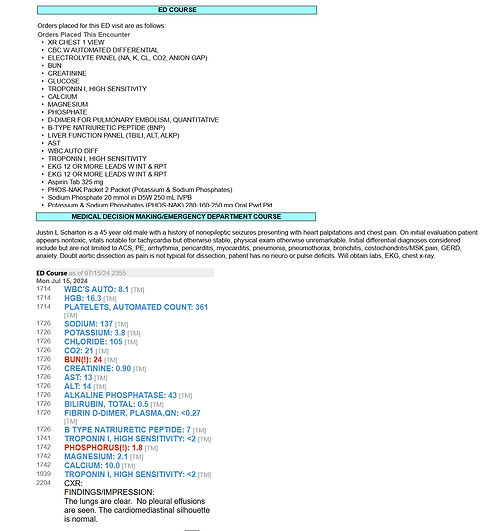
So I waited a little over a year, and I was having 1 second long blackouts a few times per minute. I was sure my EKG would have been abnormal. So I went to the emergency room, and sure enough my EKG was not normal. They figured out that low phosphate was the problem.
I asked why my phosphate was low, and that doctor gave me possible reasons found on google, but would not run test to figure out my cause. Even the nurse said that I have some research to do to find out why I had low phosphate.
Why couldn’t they run test for that? Anyway, during my 4 hour long IV phosphate infusion, I found an article that proved that Keppra can cause low phosphate. No other possibility would fit. This article showed that "Serum Calcium and phosphorus were significantly decreased". (Jeyakumar 2014) Article shown below.
Also, for all the people that will automatically say "If Keppra really lowers phosphate, we would see more cases". Side effects are often rare. Drug safety literature recognizes that rare adverse reactions may occur in as few as 1 in 1,000 to 1 in 10,000 patients or even less often. Keppra’s regulatory labeling itself uses “rare” and “very rare” categories for serious adverse events, and the FDA has warned of rare but serious reactions with levetiracetam. (European Medicines Agency 2023)

So I stopped taking that seizure medication, Keppra, that day, and I was put on phosphate supplements for 2 weeks. This is where I got some kind of muscle damage. My body was so accustomed to low phosphate, it didn’t know how to handle normal levels.
Those supplements made it extremely hard to breathe causing seizures and severe muscle weakness that lasted a few hours after each dose. The symptoms got progressively worse over the next 5 days, and I had to stop. This reaction is classic refeeding syndrome. I did get mild symptoms after eating phosphate rich foods like sardines and cheese.
Here are the ER visit notes broken up to make them viewable on this website editor:



Possible Medical Malpractice #5: Primary Care Visit 1
Now this brings us to the primary care physician.
This visit resulted in nothing except for him saying my respiratory failure from phosphate supplements was because some people are more sensitive than others. No further tests, suggestions, or nothing. So I tried really hard to avoid doctors again, since they don't do anything. Of course, that didn't last long.
Here are the medical records for that visit:

Possible Medical Malpractice #6: Primary Care Visit 2
So I waited until the symptoms worsened during the winter, and that's when I found out about how cold weather gives me such severe chest pain, and many 1 second long blackouts coinciding with a very hard thump in my chest. This also happens with air conditioning and is really severe in the refrigerated sections of the grocery store. BTW, I think those small blackouts might be presyncope.
This made me go back to this doctor on February 24 2025. This PCP put in my medical records that confirms muscle weakness, breathing difficulty, and low phosphate levels that normalized only after seizure medication was discontinued.
That looks like even more proof that Big Pharma is responsible for messing up my heart and muscle function.
I asked this doctor why my muscles shut down frequently, making it difficult to breathe throughout the day, and why the cold weather or the outside temperature going down a degree per hour or faster which gives me severe chest pain and frequent 1 second long black outs coinciding with a PVC; and he said:
“I’m a doctor, not a researcher”
He proceeded to order unnecessary tests over the next 2 weeks to give me the illusion of getting medical care which included 4 cholesterol tests, Hep C, Cortisol, and Thyroid Stimulating Hormone. All normal, but cholesterol was a bit high, and that's typical for keto! The cortisol was slightly high, but not enough to mean anything.
They did do an EKG, which was abnormal and showed the left anterior fascicular block returning that showed resolved in the ER the previous year, but it's still there, along with a RBBB, PVCs, and bifascicular block. This ended up with no treatment options, and no tests related to my symptoms.
That doctor ordering unnecessary tests was ridiculous, and shows the wasteful spending of tax payer dollars on tests that should never have been ordered. This is Medi-CAL, but having no treatment options reinforced the fact it is better to be a DNR than continue asking those people for help, but I’m going through something a little worse than dying, which made me try one more time with a different primary care doctor.
Another thing about this doctor’s visit is that he didn’t even pay attention to my heart rate. The fourth image below (Physical Exam page), shows in red that my heart rate was 131. That is due to Kaiser’s automated system when the nurse or medical assistant puts my vitals in the computer. The doctor charted the heart rate was a normal rate further down that page. A pulse of 131 is fast, and not normal, yet he charted it as normal. My EKG they did that day was also abnormal. This is another case of negligence in my medical care.
Below shows my phosphate levels that hovered at the low end of normal until 8 months later, it was finally at the higher end of normal. This is an indication that my phosphate has been low for too long, and took a while for my cells to constantly uptake phosphate and the levels to normalize.
Here are the EKG, the office visit notes, and my phosphate levels over an 8 month period:


Possible Medical Malpractice #7: NEW Primary Care Visit 1
This new doctor ordered a 7 day zio patch, and found that my PVC burden was at 7.5%. Her protocol for PVCs was beta blockers. I asked her that I probably shouldn’t take that because my heart rate goes down to the low 50s when I sleep, and my symptoms are much worse when my heart rate is going slow like when I am sitting or sleeping.
She told me it's safe to take it anyway because I am an outpatient, and that beta blockers are only held in the hospital. Considering the bad advice I have gotten so far, and being damaged by Keppra, I couldn't take a chance on those pills. I am curious as to what an actual cardiologist would say about that.
I also asked her about why I get such severe chest pain when it's cold. This starts every afternoon when the temperature goes down to about 72, and as long as it cools down a degree per hour or more, I get chest pain and those mini blackouts. Normal people might feel a cool breeze in the air, but this messes up my heart now after big pharma destroyed it.
This makes sleeping at night a complete nightmare. I have to keep a heating pad close to my nose, and a space heater pointing towards my face when the outside temperature is in the low 50s. I live in 1990s style insulation that radiates the cold in. This is just stupid, I can’t breathe in cold air. So I can’t fall asleep until the morning when the temperature starts to go up, which is between 4 and 7 in the morning.
Even salty foods and drinking too much water will mess with my heart, but that is a meaningless symptom to Kaiser.
All of this from a seizure med wrecking me.
That doctor did not mention vasodilators at all, but those would induce a seizure on me anyway.
She did think I needed a muscle biopsy, which sent me back to the worse doctor in the world again, that same neurologist. I thought since I had actual documented heart problems and low phosphate, she might actually take me seriously.
Here is the ZIO results and the office visit notes:


Possible Medical Malpractice #7: Neurology consult
Those PVC induced blackouts lasting for only a second, according to this doctor, are psychogenic. Yeah, she thinks I am faking it. I guess I must have faked my EKG results too.
She was wrong about the psychosomatic seizures, when it was a deficiency in DHA, B6 and B12 from being a vegan, and again, turning a heart problem into something psychological.
I was still keto at this visit, but a couple weeks later I had to start eating carbs again. Which worsened my seizure activity. It's much milder than it was. But screen time, like trying to record this right now, is my main seizure trigger.
I can usually get about 2 hours in before it messes with my head, it just starts as a migraine. As I push myself, Absence seizures will start with me just staring at the computer not knowing what's going on. If I continue, then a partial complex seizure starts where I see light trails and it gets really hard to breathe.
Here are the office notes for this last visit:


Aside from her charting my heart problems are psychogenic, she also stated that I was very focused on the low phosphate. She played 1 year long low phosphate meaning nothing and that it was marginally low. Since my heart started acting up over a year before I went to the ER, it is safe to assume my phosphate levels were marginally low for over a year. This explains the permanent heart damage (Bifascicular block and 7.5% PVC burden) and the muscle dysfunction.
I need to address the health effects of long term low phosphate to help with possible damages from big pharma.
I dug up some research and found that
When phosphate is chronically low, cells adapt by:
-
lowering ATP consumption (Amanzadeh 2006)
-
alters mitochondrial oxidative phosphorylation (Amanzadeh 2006)
-
And shifts metabolism toward glycolysis (Amanzadeh 2006)
Then when phosphate suddenly increases again, energy metabolism can change rapidly, which is why refeeding syndrome occurs. But most studies examine acute starvation, not year-long electrolyte disturbance. (Geerse)
Further evidence of mitochondrial dysfunction:
I get mild improvement with muscle weakness if I eat about ½ cup of beef heart. Which is high in taurine. I have found is necessary to eat this everyday. Any days without it, shakiness sets in, breathing becomes an effort, chest pain is much worse, and the pre-syncope blackouts are also much more frequent.
Taurine has been shown to support mitochondrial function and protect against mitochondrial dysfunction in multiple experimental and clinical studies (Jong et al., 2021).
This observation may be relevant because taurine plays a role in maintaining mitochondrial protein synthesis and protecting mitochondria from oxidative stress, processes that are important for normal cellular energy production (Jong et al., 2021).
No doctor knows anything about having low phosphate for over a year. There are also no documented cases of long term low phosphate. So I asked Quora, and got two very different answers.

Am I disabled enough to get disability?
Everything mentioned so far limits me being able to do much of any kind of work. Those doctors know there is enough wrong that they will not allow me to drive. Now, this is where I need a disability lawyer, to find out, do I even qualify for disability through social security.
Because of how that neurologist documented the seizure problem the first time, I was denied disability. I had ataxia and was stuttering, I couldn’t even do basic math in my head, and they seriously thought I could fulfill the requirements of being a RN. Those symptoms improved a lot since I stopped being vegan. But then things got worse since Keppra damaged my heart and muscles, and no longer able to take seizure medication.
I can’t find my second denial letter and their website changed, and my old applications are not on there anymore. But this time, they acknowledged I had difficulty moving my right arm and leg, but put down that I could still do part time mental work from home.
I have permanently lost any chance of getting SSDI because too much time has lapsed and the fault of Kaiser doctors misdiagnosing me, but I could still get the unlivable $1000 a month SSI, maybe with a lawyer.
But do I even have enough of a medical problem to get that? I see people getting disability, and they show up on Judge Judy, and I can’t even make it through a grocery store trip without chest pain, or get more than a couple hours of screen time (like making this webpage) per day before it messes with me being able to look at light in general
So, I really need some lawyers to help me out with this.
Summarized from the content on this webpage, my current problems that interfere with my ability to work include:
Screentime induced seizure activity.
Most days, I am unable to do more than 2 hours of computer work, or any screentime before it turns into migraine-like symptoms, severe light sensitivity, then will progress into staring (absence seizure) at the screen, then into seeing light trails with difficulty breathing and walking (possible partial complex seizure). Since seizure meds messed up my heart, I cannot take them anymore. These seizure problems got worse when I had to stop being Keto from my muscle dysfunction due to Keppra and phosphate supplements.
I have not mentioned this to the neurologist since she charts everything as psychosomatic seizures, and psychogenic heart problems. This doctor is so bad at her job, its safer to be a DNR than ask a doctor like that anything. Also the next medication on the list would be Dilantin which comes with liver failure and diabetes, not to mention it will likely make my heart feel too uncomfortable from the sodium channel inhibition properties.
Sleep problems and chest pain
Unable to sleep until the outdoor temperature starts warming up, which is between 4-7 in the morning. The cold radiating in from single pane windows and 90s style insulation is intense. Temperatures at night above 65 degrees are not a problem. Below that requires me to have an electric heating pad next to my nose to keep the air I breathe warm to reduce my cold induced chest pain. Temperatures in the low 50s require a space heater to blow in my face at night. If I don’t fall asleep by 7am, sleep-deprived seizures will occur.
Keppra induced heart and muscle damage
Since my heart got damaged, I get extreme chest pain in the cold. Especially when the air conditioner is on, and cold places like the grocery store and doctors office (my only outings). During those times, I get 1 second long blackouts (pre-syncope) along with a PVC while I am walking around. Normally that does not happen when my heart rate is going faster from walking, but it does in the cold. That normally happens when I am sitting and sleeping. When I sleep, I will wake up with severe chest pain, or will jump out of bed when a pre-syncope event occurs while I am grabbing at my chest.
Unable to drive since 2019
Doctors know there is enough wrong with me to not let me drive. Even the PVC induced pre-syncope is dangerous enough to drive, and my coordination is slow when I am having those vasodilation induced partial seizures that happen in warm weather, or just being in a car. Vasodilation is bad for my seizures, while vasoconstriction gives me chest pain and increased mini blackouts.
Constant neurological limitations
The seizure-like episodes and pre-syncope events make it impossible for me to maintain a normal work schedule. There really are no “good days.” Every day is a struggle with these symptoms, and I have to carefully limit what I do so they don’t get worse.
The only reason I am able to do anything at all is because I have kids and I do not want them growing up in poverty. Because of that, I pushed myself to learn Unreal Engine 5 and I am slowly working on building a game in hopes of eventually earning income from home. However, progress is extremely slow because I can only tolerate about 2–3 hours of computer work per day before my neurological symptoms start.
I have done advanced cannabinoid research on this website, but it is very slow and hard to promote since most of that is shadow banned on social media.
Because of these limitations, maintaining consistent employment or meeting normal work expectations is impossible.
Response to the prior SSA denial
In my last Social Security disability denial around 2022, they acknowledged some of my physical problems but concluded that I should still be able to perform part-time mental work from home. I cannot currently access that denial letter because the Social Security website changed and my older applications are no longer available in the system.
The problem with that conclusion is that most mental work done from home requires extended computer use. Because of my screen-time induced neurological symptoms, I can usually only tolerate about 2–3 hours of computer work per day before migraine-like symptoms, severe light sensitivity, and seizure activity begin. That limitation alone makes sustained remote work extremely difficult.
Even the work I am currently attempting to do from home, learning Unreal Engine and slowly building a game, is only possible because I work in very short periods and stop as soon as symptoms begin. Progress is extremely slow and not something that could realistically meet the expectations of normal employment.
For the possibility of suing big pharma for Keppra messing up my heart and muscles. My medical records show my heart damage was from low phosphate, along with my other symptoms we already went over.
Everything on this page is based on my actual medical records and published medical research. When you put all of it together, it looks like there may have been multiple misdiagnoses, delayed treatment, and a serious drug injury from Keppra that damaged my heart. I’m not a lawyer, but the number of red flags in these records is why I started documenting everything publicly. If any medical injury attorney or physician wants to review the case, the records and supporting research are all included here.
Here is the disability denial that I was able to find:


Attempting to treat my heart and seizure problems with cannabinoids and terpenes.
Treating my seizures with cannabis has now been much more difficult with my heart being damaged by Keppra. Of course, no smoking at all. Smoking a humulene strain was amazing for seizure reduction before my heart got messed up. The last time I smoked anything was July 4, 2024.
The particulate matter of the smoke is a TRPA1 agonist which causes excessive vasodilation. Burnt plant matter like from tobacco contain acrolein and crotonaldehyde, which are TRPA1 agonists, (Bautista 2012) and we can assume they are produced in cannabis smoke as well.
TRPA1 receptors are on the plasma membranes of different cells, including sensory neurons and cerebral vascular endothelial cells. TRPA1 activation will cause neurogenic vasodilation through releasing the vasodilator, calcitonin gene-related peptide. TRPA1 activation in the cerebral vasculature causes endothelium-dependent vasodilation, starting with localized Ca2+ signals. (Alvarado 2021)
What helps mildly reduce my symptoms
My doses while I am awake are 5mg CBD MCT, 5mg Lemon Walker chocolate, and 5mg white walker MCT every 3-4 hours.
When I am trying to sleep, 2mg white walker in MCT oil every 2 hours, or when I wake up with chest pain.
Important note: If White Walker wasn't so nauseating, be difficult to grow, and die easily; I would only use that with CBD. If I run out, or that plant dies, I will need to hope that the dispensary has a humulene strain in stock without eucalyptol and linalool. This creates a problem in states that do not have a "limits exemption" medical recommendation.
Here is the breakdown of what works for me.
Humulene
This is the most important for me.
Humulene is an adenosine A2A modulator which is involved with vascular tone regulation.(Dalavaye 2024, Khayat 2017) This terpene stops my blood pressure from changing, which helps with both my seizures and heart problems.
The problem with it is that it only lasts about 1 hour. The best response I get from this is chewing cannabis leaves (White Walker) after they have been soaking in lemon water for about 30 minutes to soften. This actually is the most difficult to get. This strain has such a weak root system, and a fail rate with clones that is extremely high (5 survived out of 22). Also, if there is an abundance like an outdoor grow in the summer, those leaves have no terpenes until night time. I am lucky to have two doses per day in the summer, which means I can get up to 2 hours of relief in a day and only in the summer.
If someone was able to CO2 extract all the terpenes from a humulene plant and leaves like White Walker, then symptom relief would be more manageable. Of course I don’t have anything like that.
CBD
CBD helps keep my heart regulated while I am awake, but it slows my heart rate down a little which makes my heart feel too uncomfortable that prevents me from sleeping. It feels the same as one of the other seizure meds I took, Gabapentin, which I had to stop since it makes my heart not feel right.
This is al from CBD acting as a T-Type calcium channel modulator. (Ross 2008)
THC
A low dose of THC (2mg) white walker in MCT oil when I sleep. The low dose of THC is not enough to mess with my heart, and mildly increases my cold tolerance from antagonizing TRPM8. The terpenes in White Walker also are a great combination for me, Humulene and Terpineol. Here is the sources and science behind it:
THC is a TRPM8 antagonist (Muller 2019, De Petrocellis 2011, De Petrocellis 2007). TRPM8 is a cold receptor (GeneCards ND). When this is antagonized, it helps block the cold response.
Terpineol
Terpineol is an anticholinergic, (Dos Santos 2019) which helps keep my heart from going too slow, reducing my blackouts. (Pre-syncope) My heart is at its worst when the rate is going slow, like when I sit or sleep. Its even worse when its cold.
Eucalyptol and Mint - dangerous for heart problems
Eucalyptol is a TRPM8 agonist. (Takaishi 2012) When cold weather occurs, peripheral vasoconstriction occurs. (Brown 2003, Pan 2018)
Eucalyptol used to be amazing for my seizure reduction. I has a Lemon Kush chemotype with eucalyptol that I used to stuff a small amount to fit in a 1 gram gelatin capsule. It gave me a cooling sensation, and increased the blood going to my brain. Since my heart got messed up, and is extremely bad in cold weather and air conditioning, eucalyptol now affects my heart just like cold weather. I must avoid one of my favorite seizure reducers.
Also, just to show how bad my heart reacts to things, peppermint chapstick on my lips is so much worse for my heart than eucalyptol and cold weather. I didn't know that chapstick (Burts Bees) was peppermint, the label just said original. Otherwise I would not have bought it.
A-Pinene
Alpha Pinene is now bad for my heart.
It is an acetylcholinesterase inhibitor. (Miyazawa 2005) Just like prescription Ache inhibitors can lower the heart rate and even cause symptomatic bradycardia (Kumar 2023). A-pinene can do the same thing. This used to be great at helping me breathe when the muscle weakness is bad, but when I sleep and take it in the form of chewing the seeds from a green cardamon pod, and isolated pinene on my forearm or sublingually, it makes my heart act up much worse with the PVCs making me jump out of bed.
Linalool
This terpene has been bad for me since the mild neurodegeneration from veganism, but even worse now with the phosphate damaged muscle weakness I got from my phosphate returning to normal. My body does not know how to operate with normal phosphate levels.
Linalool stops me from breathing if I inhale it, like in Lavender scented things.
This is due to inhibiting the release of Acetylcholine (ACh) at the neuromuscular junction. A local anesthetic reaction occurs due to the reduction of the channel open time. (Re 2000)
Sources
ACLS Medical Training. (n.d.). Cold weather chest pain: Angina or a heart attack? ACLS Academy. https://www.aclsacademy.com/blog/cold-weather-chest-pain-angina-or-a-heart-attack-8d7wn
Alvarado MG, Thakore P, Earley S. Transient Receptor Potential Channel Ankyrin 1: A Unique Regulator of Vascular Function. Cells. 2021 May 11;10(5):1167. doi: 10.3390/cells10051167. PMID: 34064835; PMCID: PMC8151290.
Amanzadeh, J., & Reilly, R. F. (2006). Hypophosphatemia: An evidence-based approach to its clinical consequences and management. Nature Clinical Practice Nephrology, 2(3), 136–148.
Bautista DM, Pellegrino M, Tsunozaki M. TRPA1: A gatekeeper for inflammation. Annu Rev Physiol. 2013;75:181-200. doi: 10.1146/annurev-physiol-030212-183811. Epub 2012 Sep 27. PMID: 23020579; PMCID: PMC4041114.
Benbir G, Uysal S, Saltik S, Zeybek CA, Aydin A, Dervent A, Yalcinkaya C. Seizures during treatment of Vitamin B12 deficiency. Seizure. 2007 Jan;16(1):69-73. doi: 10.1016/j.seizure.2006.10.016. Epub 2006 Dec 5. PMID: 17150378.
Błaszczyk, J. W. (2023). Metabolites of life: Phosphate. Metabolites, 13(7), 860. https://doi.org/10.3390/metabo13070860
Brown CM, Sanya EO, Hilz MJ. Effect of cold face stimulation on cerebral blood flow in humans. Brain Res Bull. 2003 Jun 30;61(1):81-6. doi: 10.1016/s0361-9230(03)00065-0. PMID: 12788210.
Burdge GC. Metabolism of alpha-linolenic acid in humans. Prostaglandins Leukot Essent Fatty Acids. 2006 Sep;75(3):161-8. doi: 10.1016/j.plefa.2006.05.013. Epub 2006 Jul 7. PMID: 16828546.
Burdge GC, Jones AE, Wootton SA. Eicosapentaenoic and docosapentaenoic acids are the principal products of alpha-linolenic acid metabolism in young men*. Br J Nutr. 2002 Oct;88(4):355-63. doi: 10.1079/BJN2002662. PMID: 12323085.
Ciardo, M. G., & Ferrer-Montiel, A. (2017). Lipids as central modulators of sensory TRP channels. Biochimica et Biophysica Acta (BBA) - Biomembranes, 1859(9, Part B), 1615-1628. https://www.sciencedirect.com/science/article/pii/S0005273617301281
Cleveland Clinic. (n.d.). Bifascicular block: Causes, symptoms & treatment. Cleveland Clinic. https://my.clevelandclinic.org/health/diseases/22922-bifascicular-block
Crawford JR, Say D. Vitamin B12 deficiency presenting as acute ataxia. BMJ Case Rep. 2013 Mar 26;2013:bcr2013008840. doi: 10.1136/bcr-2013-008840. PMID: 23536622; PMCID: PMC3618829.
Dalavaye N, Nicholas M, Pillai M, Erridge S, Sodergren MH. The Clinical Translation of α-humulene - A Scoping Review. Planta Med. 2024 Aug;90(9):664-674. doi: 10.1055/a-2307-8183. Epub 2024 Apr 16. PMID: 38626911; PMCID: PMC11254484.
De Petrocellis L., Ligresti A., Moriello A. S., Allarà M., Bisogno T., Petrosino S., et al.. (2011b). Effects of cannabinoids and cannabinoid-enriched Cannabis extracts on TRP channels and endocannabinoid metabolic enzymes. Br. J. Pharmacol. 163, 1479–1494. 10.1111/j.1476-5381.2010.01166.x
De Petrocellis L., Starowicz K., Moriello A. S., Vivese M., Orlando P., Di Marzo V. (2007). Regulation of transient receptor potential channels of melastatin type 8 (TRPM8): effect of cAMP, cannabinoid CB1 receptors and endovanilloids. Exp. Cell Res. 313, 1911–1920. 10.1016/j.yexcr.2007.01.008
Dos Santos Negreiros P, da Costa DS, da Silva VG, de Carvalho Lima IB, Nunes DB, de Melo Sousa FB, de Souza Lopes Araújo T, Medeiros JVR, Dos Santos RF, de Cássia Meneses Oliveira R. Antidiarrheal activity of α-terpineol in mice. Biomed Pharmacother. 2019 Feb;110:631-640. doi: 10.1016/j.biopha.2018.11.131. Epub 2018 Dec 9. PMID: 30540974.
European Medicines Agency. (2023). Keppra (levetiracetam): EPAR – Product information. https://www.ema.europa.eu/en/documents/product-information/keppra-epar-product-information_en.pdf
Geerse, D. A., Bindels, A. J. G. H., Kuiper, M. A., Roos, A. N., Spronk, P. E., & Schultz, M. J. (2010). Treatment of hypophosphatemia in the intensive care unit: A review. Critical Care, 14(4), R147.
GeneCards. (n.d.).TRPM8 Gene - GeneCards | The Human Gene Database. Retrieved 10/09/2024 from https://www.genecards.org/cgi-bin/carddisp.pl?gene=TRPM8
Jeyakumar, M., Guhan, V. N., Prabhakara Rao, K., Arulneyam, J., Siva, R., & Kumar, A. M. (2014). Impact of levetiracetam on bone health: A descriptive study. International Journal of Pharmaceutical Sciences Review and Research, 26(1), 152–154.
Jong CJ, Sandal P, Schaffer SW. The Role of Taurine in Mitochondria Health: More Than Just an Antioxidant. Molecules. 2021 Aug 13;26(16):4913. doi: 10.3390/molecules26164913. PMID: 34443494; PMCID: PMC8400259.
Kapoor, N., Parihar, J., Dash, D., Tripathi, M., Bhatia, R., Garg, A., & Singh, R. K. (2021). Vitamin B12 deficiency manifesting as reversible leukoencephalopathy and ataxia. Neurology Asia, 26(1), 183–186.
Keatinge, W. R., Coleshaw, S. R. K., Cotter, F., Mattock, M., Murphy, M., & Chelliah, R. (1984). Increases in platelet and red cell counts, blood viscosity, and arterial pressure during mild surface cooling: Factors in mortality from coronary and cerebral thrombosis in winter. British Medical Journal, 289(6456), 1405–1408.
Khayat MT, Nayeem MA. The Role of Adenosine A2A Receptor, CYP450s, and PPARs in the Regulation of Vascular Tone. Biomed Res Int. 2017;2017:1720920. doi: 10.1155/2017/1720920. Epub 2017 Aug 13. PMID: 28884118; PMCID: PMC5572598.
Kumar A, Gupta V, Sharma S. Donepezil. [Updated 2023 Aug 17]. In: StatPearls [Internet]. Treasure Island (FL): StatPearls Publishing; 2026 Jan-. Available from: https://www.ncbi.nlm.nih.gov/books/NBK513257/
Lown, B., & Verrier, R. L. (1976). Neural activity and ventricular fibrillation. New England Journal of Medicine, 294(21), 1165–1170.
Marcu DTM, Adam CA, Dorobanțu DM, Șalaru DL, Sascău RA, Balasanian MO, Macovei L, Arsenescu-Georgescu C, Stătescu C. Beta-Blocker-Related Atrioventricular Conduction Disorders-A Single Tertiary Referral Center Experience. Medicina (Kaunas). 2022 Feb 20;58(2):320. doi: 10.3390/medicina58020320. PMID: 35208643; PMCID: PMC8877089.
Masood T, Lakatos S, Rosta J. Modification of the TRP Channel TRPA1 as a Relevant Factor in Migraine-Related Intracranial Hypersensitivity. Int J Mol Sci. 2023 Mar 11;24(6):5375. doi: 10.3390/ijms24065375. PMID: 36982450; PMCID: PMC10049246.
Miyazawa M, Yamafuji C. Inhibition of acetylcholinesterase activity by bicyclic monoterpenoids. J Agric Food Chem. 2005 Mar 9;53(5):1765-8. doi: 10.1021/jf040019b. PMID: 15740071.
Molot J, Sears M, Anisman H. Multiple chemical sensitivity: It's time to catch up to the science. Neurosci Biobehav Rev. 2023 Aug;151:105227. doi: 10.1016/j.neubiorev.2023.105227. Epub 2023 May 10. PMID: 37172924.
Muller C, Morales P, Reggio PH. Cannabinoid Ligands Targeting TRP Channels. Front Mol Neurosci. 2019 Jan 15;11:487. doi: 10.3389/fnmol.2018.00487. PMID: 30697147; PMCID: PMC6340993.
Nass RD, Hampel KG, Elger CE, Surges R. Blood Pressure in Seizures and Epilepsy. Front Neurol. 2019 May 14;10:501. doi: 10.3389/fneur.2019.00501. PMID: 31139142; PMCID: PMC6527757.
Pan, Y., Thapa, D., Baldissera, L. et al. Relevance of TRPA1 and TRPM8 channels as vascular sensors of cold in the cutaneous microvasculature. Pflugers Arch - Eur J Physiol 470, 779–786 (2018). https://doi.org/10.1007/s00424-017-2085-9
Pesta, D., et al. (2016). Hypophosphatemia promotes lower rates of muscle ATP synthesis. American Journal of Physiology – Endocrinology and Metabolism, 310(9), E755–E763. https://www.ncbi.nlm.nih.gov/pmc/articles/PMC5024687/
Phan TX, Ton HT, Gulyás H, Pórszász R, Tóth A, Russo R, Kay MW, Sahibzada N, Ahern GP. TRPV1 expressed throughout the arterial circulation regulates vasoconstriction and blood pressure. J Physiol. 2020 Dec;598(24):5639-5659. doi: 10.1113/JP279909. Epub 2020 Oct 6. PMID: 32944976; PMCID: PMC8565923.
Rama Mohan, M., Ramesh, M., & Srujana, K. (2014). Effect of levetiracetam monotherapy on calcium, phosphorus and alkaline phosphatase levels in newly diagnosed epileptic patients. International Journal of Pharmacy and Pharmaceutical Sciences, 6(Supplement 2), 136–138. https://globalresearchonline.net/journalcontents/v26-1/25.pdf
Rather, M. A., Khan, A., Wang, L., Jahan, S., Rehman, M. U., Makeen, H. A., & Mohan, S. (2023). TRP channels: Role in neurodegenerative diseases and therapeutic targets. Heliyon, 9(6), e16910. https://doi.org/10.1016/j.heliyon.2023.e16910
Re L, Barocci S, Sonnino S, Mencarelli A, Vivani C, Paolucci G, Scarpantonio A, Rinaldi L, Mosca E. Linalool modifies the nicotinic receptor-ion channel kinetics at the mouse neuromuscular junction. Pharmacol Res. 2000 Aug;42(2):177-82. doi: 10.1006/phrs.2000.0671. PMID: 10887049.
Ross HR, Napier I, Connor M. Inhibition of recombinant human T-type calcium channels by Delta9-tetrahydrocannabinol and cannabidiol. J Biol Chem. 2008 Jun 6;283(23):16124-34. doi: 10.1074/jbc.M707104200. Epub 2008 Apr 7. PMID: 18390906; PMCID: PMC3259625.
Schmid JP, Morger C, Noveanu M, Binder RK, Anderegg M, Saner H. Haemodynamic and arrhythmic effects of moderately cold (22 degrees C) water immersion and swimming in patients with stable coronary artery disease and heart failure. Eur J Heart Fail. 2009 Sep;11(9):903-9. doi: 10.1093/eurjhf/hfp114. PMID: 19696059.
Shabbir MA, Saad Shaukat MH, Ehtesham M, Murawski S, Singh S, Alimohammad R. Bifascicular block in unexplained syncope is underrecognized and under-evaluated: A single-center audit of ESC guidelines adherence. PLoS One. 2022 Feb 28;17(2):e0263727. doi: 10.1371/journal.pone.0263727. PMID: 35226666; PMCID: PMC8884493.
Shattock, M. J., & Tipton, M. J. (2012). Autonomic conflict: A different way to die during cold water immersion? The Journal of Physiology, 590(14), 3219–3230.
Stanley JC, Salter M, Fisher MJ, Pogson CI. The effect of pyridoxine deficiency on the metabolism of the aromatic amino acids by isolated rat liver cells. Arch Biochem Biophys. 1985 Aug 1;240(2):792-800. doi: 10.1016/0003-9861(85)90088-8. PMID: 4026305.
Takaishi M, Fujita F, Uchida K, Yamamoto S, Sawada Shimizu M, Hatai Uotsu C, Shimizu M, Tominaga M. 1,8-cineole, a TRPM8 agonist, is a novel natural antagonist of human TRPA1. Mol Pain. 2012 Nov 29;8:86. doi: 10.1186/1744-8069-8-86. PMID: 23192000; PMCID: PMC3567430.
Wang Z, Ye D, Ye J, Wang M, Liu J, Jiang H, Xu Y, Zhang J, Chen J, Wan J. The TRPA1 Channel in the Cardiovascular System: Promising Features and Challenges. Front Pharmacol. 2019 Oct 18;10:1253. doi: 10.3389/fphar.2019.01253. PMID: 31680989; PMCID: PMC6813932.